
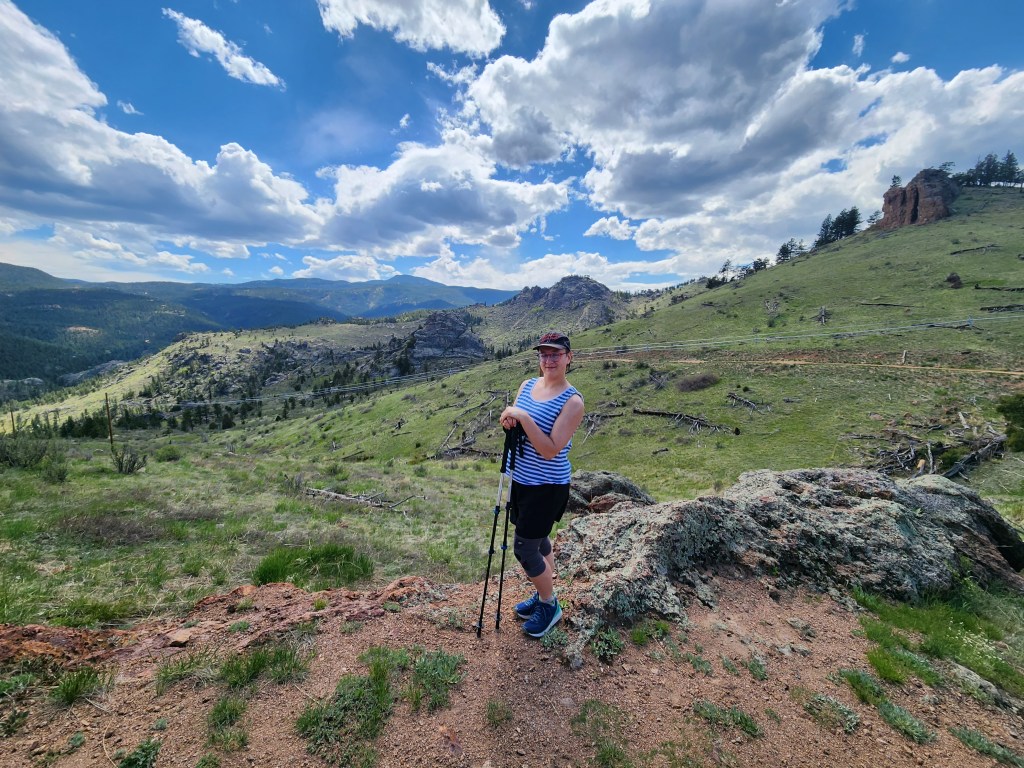
(Cover Image: Hiking in the foothills using all my mobility aids for the first time)
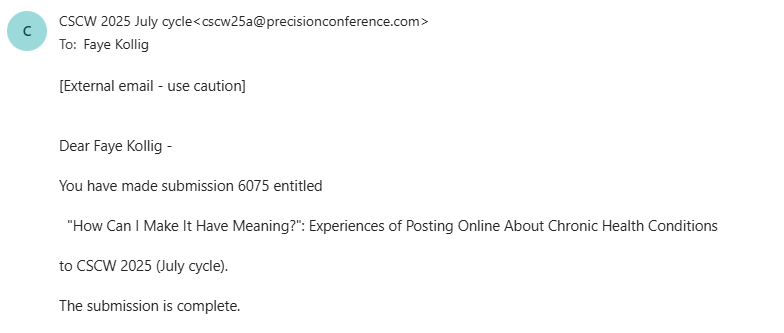
I’m currently occupying the ambiguous space between being an early PhD student (task: do your best and survive) and being a mid-season PhD student (task: prepare for and pass preliminary examinations), after which I’ll ideally become a late-stage PhD student (task: make a dissertation). It feels surreal that I’m already coming up on the beginning of my third year in the Information Science program. I’m creating a moment of pause after my first full-length conference submission, for the July cycle for the conference on Computer Supported Cooperative Work, to acknowledge and appreciate some of the things I’ve learned after two years of being a chronically ill PhD student.
You can’t separate out parts of your life and identity and expect them to stay that way. For a long time, I’ve expected myself to neatly compartmentalize my illness like a shameful secret. It’s not supposed to touch my work, my grades, my relationships, my hobbies – it’s just a backpack I carry around and don’t unzip except when it starts to rot. What I’ve learned is that you never actually separate your illness from your life; you just pretend to. All the overlap, messiness, nuance, and imbalance is still there, but you’re missing the opportunities to appreciate it, use it, and improve it. I was so scared of the cognitive dissonance between my dream job and my nightmare experiences that I thought they couldn’t touch. But authenticity is always more complicated. The same person whose world was ending while they sobbed in oversized scrubs in the hospital stairwell – that person got up, and learned how to do basic sentiment analysis to turn a final project in on time a week later. It’s jarring, and odd, and it never gets less odd. But learning how to integrate all my experiences into one person has made me a stronger person, better at my job and better at taking care of myself. I am disabled and a PhD student. I’m not anything in spite of anything else.
Nobody else has to believe in you except yourself. In my department, the refrain is always that every grad student’s journey is different. When you’ve got serious, variable, confusing, and stigmatized chronic illnesses, the boundaries of “different” start to feel like they weren’t made for you. Subverting the pressure to publish is one thing. What if you have to unexpectedly put every responsibility on hold for a hospitalization where you’re not even allowed to have your phone to notify anyone? Not going to a conference in your first couple of years is okay. What if you make it to that conference, but become so overwhelmed you’re nonverbal and can’t network? Maybe it’s okay to only work a 9 to 5, and not on weekends. But how do I explain that I haven’t worked in a week because I have a panic attack every time I sit down at the computer? The truth is that your experience is completely individual, and that means that other people won’t understand it, no matter how much you do or don’t disclose. Nobody else has or should have a complete picture of all of your abilities, strengths, and weaknesses. I’ve learned to stop asking for validation of my worth as a student, and to stop comparing my real experience to a (in reality, mostly) imagined picture of others. As long as I still truly want to do this work, and trying to do it makes my life better and not worse, I do not need anybody else to label my existence as “productive enough”. I can believe that this is the right place for me. Even if it’s challenging to stay here, that can be enough.
It is okay if work is not even in your top three sometimes. I love my job. It feels as though it was crafted specifically for my strengths. I find incredible joy and fulfillment in almost every part, from interacting with students to grading to data collection to analysis to reading to writing. Even when I was balancing work with major depression, I still could find some of that joy. And…sometimes work doesn’t matter. As someone who has been managing suicidality for a decade, to stay alive I needed to learn that addressing my mental health actually, truly needs to come first. When you regularly struggle with executive function (for whatever reason), you have to make choices between reading that paper and eating, going to class or cleaning, attending that meeting or getting to the DMV before your registration expires. Sometimes, the order is: 1. Stay alive. 2. Stay alive. 3. Stay alive. Sometimes it’s 1. Stay alive. 2. Eat enough food to not be sick. 3. Go for a walk [maybe]. No matter what, it’s okay if work doesn’t make the list on any given day. It doesn’t mean that I (or you, reader who relates) am a bad employee, a bad researcher, or a bad student. It doesn’t make me ungrateful, lazy, or unworthy.
It’s okay if work is a coping skill. On the flip side is a co-existing truth: sometimes, even if you don’t want to, or if it unbalances you, you might use your job as a way to get through the day. Whether it improves your mood or just distracts you from something else, it’s okay if sometimes your job is a tool and not a vocation. The way I feel about work, and the role it serves in my life, changes all the time. It’s joy, it’s just a job, it’s a distraction, it’s part of my safety plan, it’s a frustration, it’s income, it’s connection, it’s alone time, it’s mindless, it’s absorbing. All of it is fine.
I’ve accomplished a fair few things in my time as a graduate student, both academic and in my personal life, that I’m grateful for and celebrating. To wrap up this little reflection, I’m throwing in some of my favorites in no particular order:
- My first solo project as a graduate student, from idea to finished paper
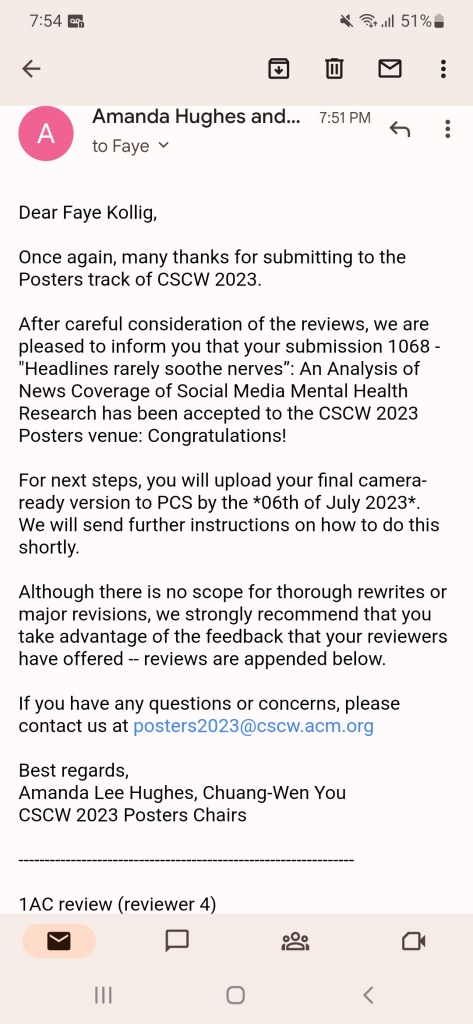
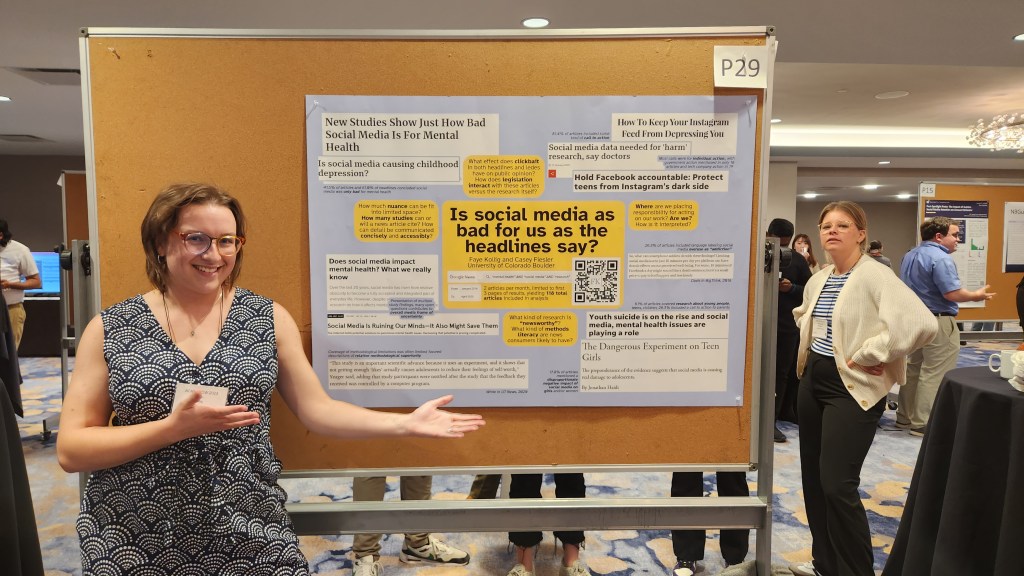
- Got my first first-author publication, which was a poster in CSCW 2023, which I got to present in person!
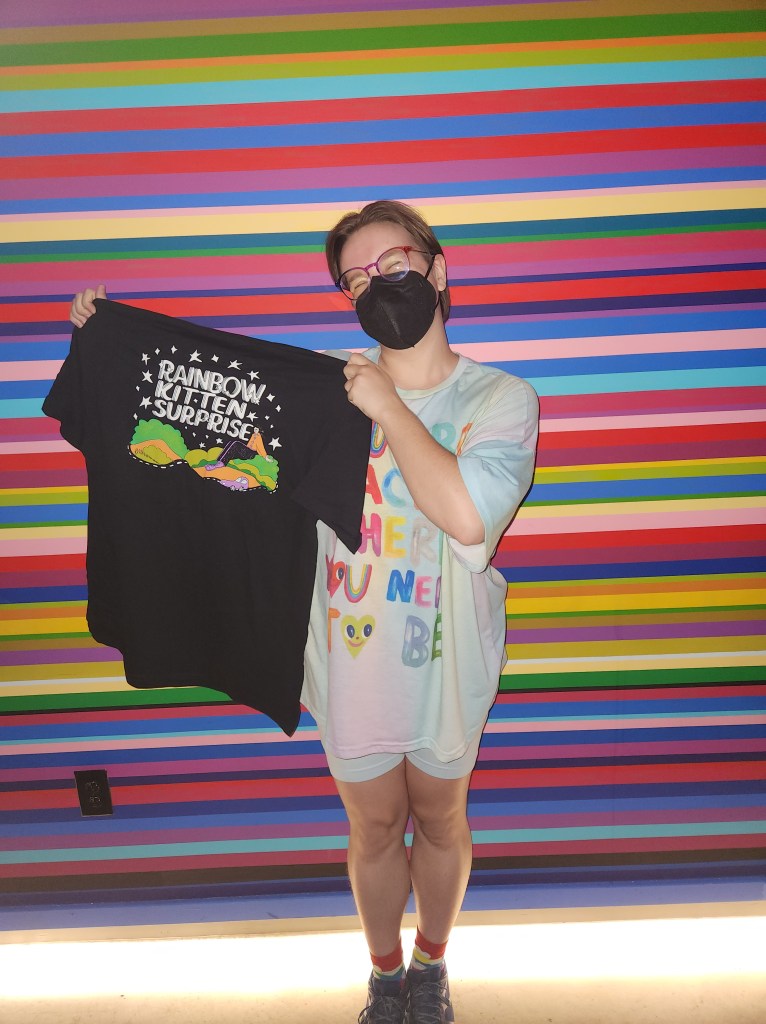
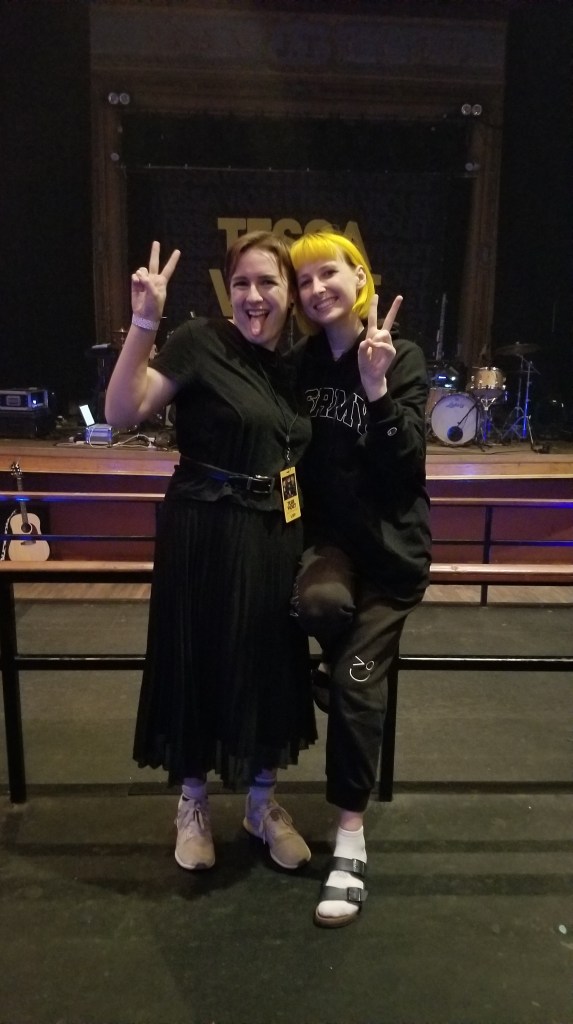
- Attended 5 concerts (Tessa Violet, Chappell Roan (twice), Rainbow Kitten Surprise, and Daisy the Great)
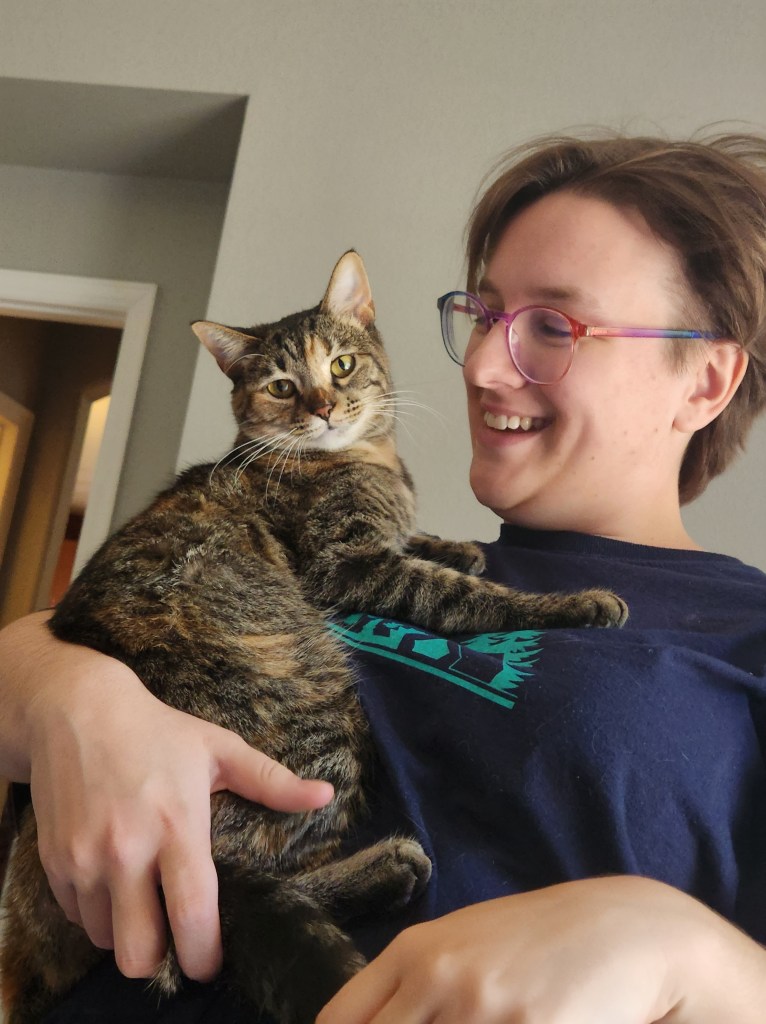
- Adopted a cat (her name is Kiriko)
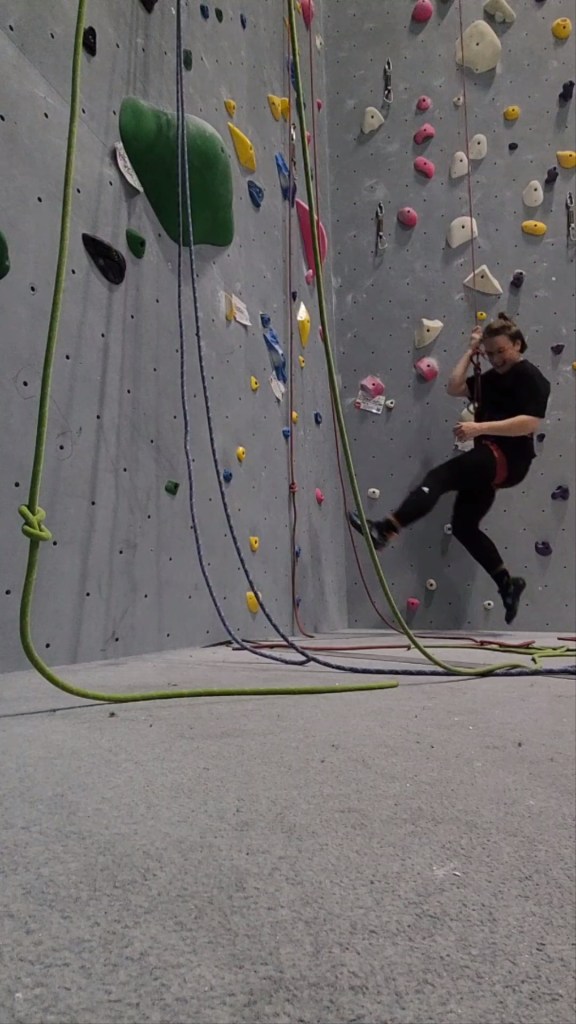
- Started rock climbing
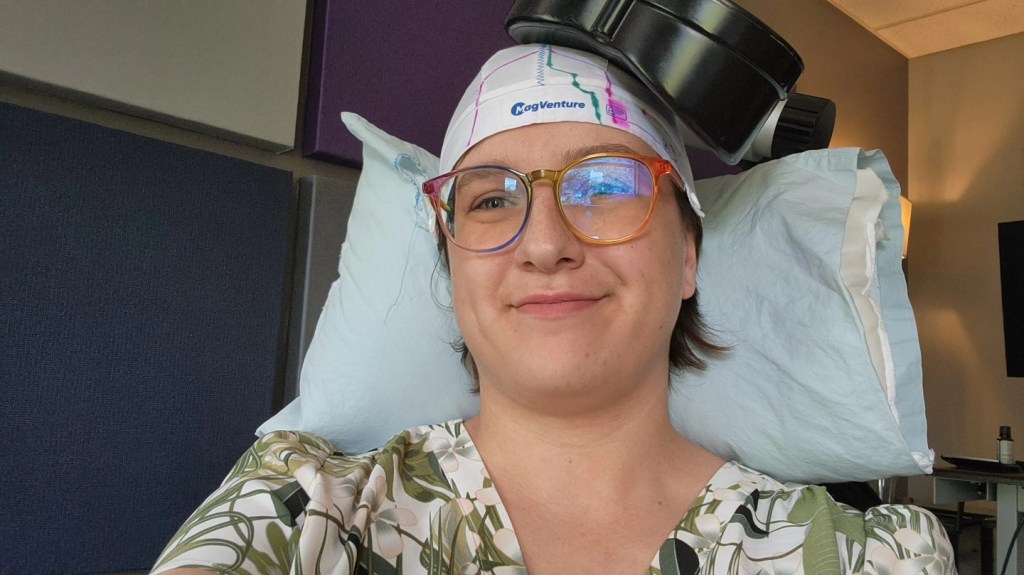
- Completed a course of transcranial magnetic stimulation (which was successful at putting my depression into remission)
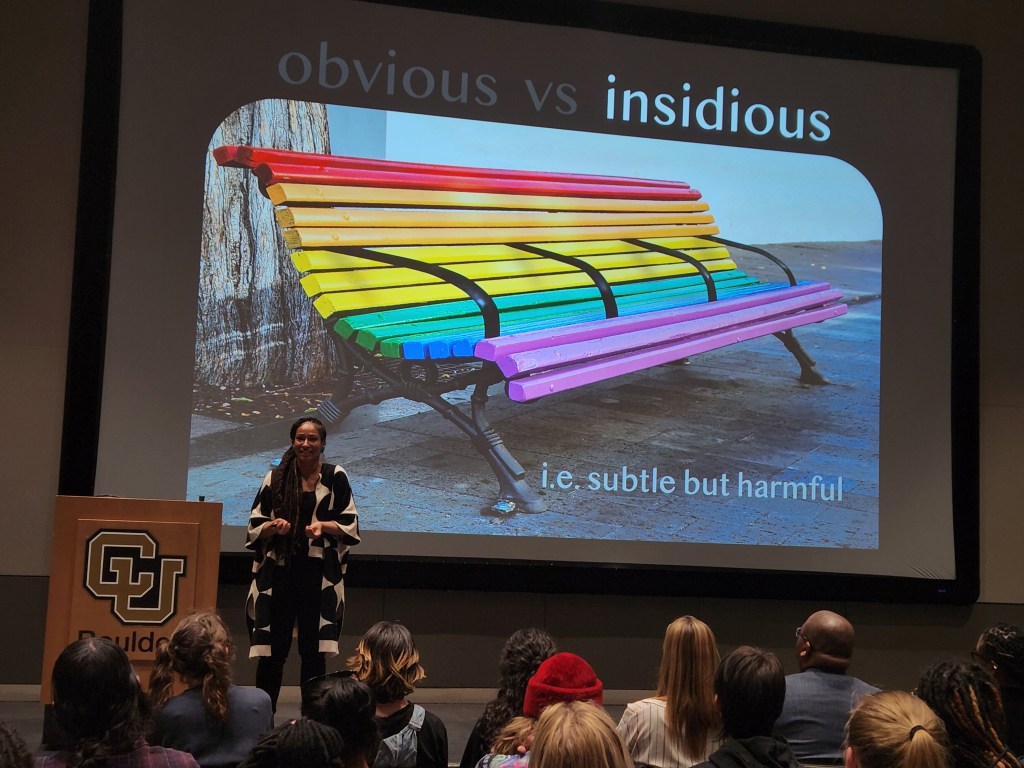
- Saw Ruha Benjamin speak in person
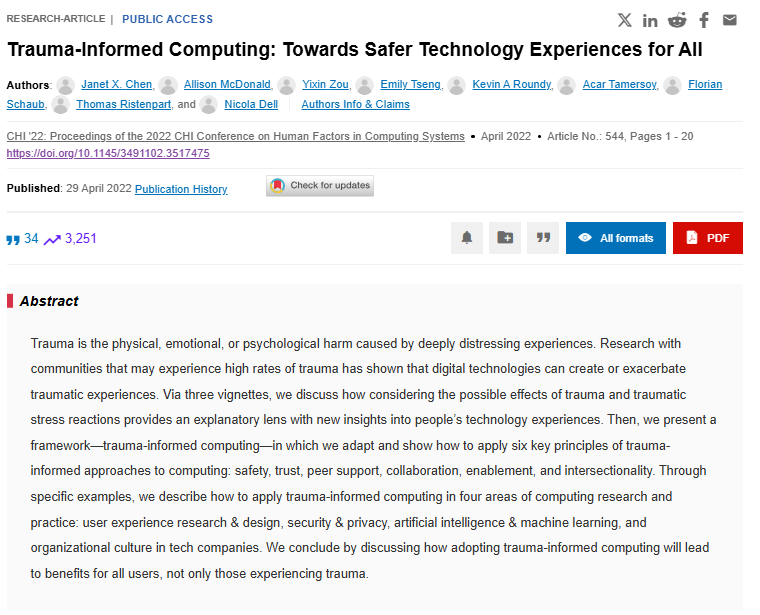
- Discovered the paper that changed my life (Trauma-Informed Computing)
- Completed four semesters of graduate classes, including my favorite class I’ve ever taken, Critical Technical Practice
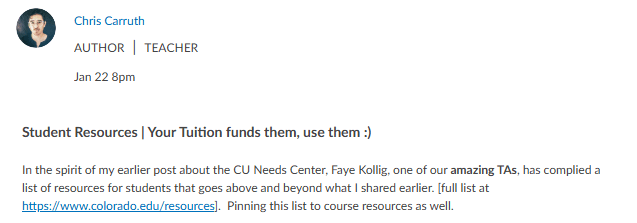
- Two (extremely fun and fulfilling) semesters of TA-ing for an introductory course, where I was responsible for grading/being available for 100 students. I also compiled a complete list of free campus and local resources for students.


 Faye Kollig
Leave a reply to Xiaowei Cancel reply