Presently, I’m navigating the ambiguous space between preliminary exams and proposing a dissertation. I’ve crossed the ethereal frontier of accepted full-paper first-authorship, and the mystical milestone of travelling to present it in person. In all honesty, I expected to feel more grown up after that. Does anyone ever feel like a grown-up academic or PhD student? Do you notice when you do? Is it an intentional process? Does it sneak up on you?
Last year, I published a blog post with some of my achievements and lessons learned from my doctoral degree journey so far, particularly from a chronically ill perspective. The writing process and reception of the post was cathartic to me, as was looking back on it now. This year has only confirmed what I wrote about then; I’m also (slowly) coming to terms with the fact that I’m someone who deeply, hopelessly believes in open dialogue and self-disclosure. So I’m taking a second annual pause (very brief, as I am a much busier person now) to add a few more of the things I’ve learned, or am trying to learn, as I muddle through.
Sometimes, saying yes is taking the easy way out. I believe, wholeheartedly, that pushing yourself out of your comfort zone can be a vehicle for self-improvement. While facing opportunities to say yes to personal and professional challenges, I usually take the perspective that you can achieve anything you set your mind to, if you are willing to be uncomfortable. But there are many aspects of your life where challenging yourself is valuable, and it doesn’t always look like saying yes. Saying no from a position of self-care rather than avoidance requires self-knowledge, self-awareness, self-confidence, and prioritization. Sometimes, saying yes is challenging and rewarding. Sometimes, the difficult no is what will pay dividends for your personal and professional well-being.
You can overcommunicate and undercommunicate, but one is definitely worse. Communication is both my greatest strength and my greatest weakness. I develop and refine rules to be as effective, kind, and fair as I can, and one of the tensions I struggle with is when to say or ask something, and when to assume or independently research the answers. Different people and workplaces can have very different norms, and I’ve learned that overcommunication is a slippery slope, especially in text-based mediums prone to misunderstandings. And in any situation, self-disclosure is not an easy or straightforward decision. But regardless of the consequences of overcommunication, undercommunication is nearly universally a worse side to err on. You cannot fix, work around, or double-check what you do not know. Nobody can help you with problems that they do not know you have. Invisible mistakes cannot be caught. And the project will always be worse off when its collaborators are disjointed.
There is no workaround or substitute for rest. I have fallen into this trap endlessly: there must be a way to rest more “efficiently,” right? There must be a perfect balance, where you will rest as little as is necessary to survive, and make the most of the remaining time. Why wasn’t a ten-minute break enough? Why do I not feel more focused and motivated after taking the weekend off? What is tired, my body, my brain, or my spirit? Why can’t I just be tougher, stronger? I am learning, still, that bodies, brains, and spirits do not respond to this type of logic. The adage “if you do not take rest, your body will take it for you” holds true. You cannot coerce your needs for rest and regeneration to conform obediently to your schedule, not sustainably. This is even more imperative when your body/mind is constantly processing the toll, crests, and troughs of chronic illness and external events outside your control. Whether or not you give yourself permission to accept it, your need for rest will overtake you, at times inconveniently and illogically.
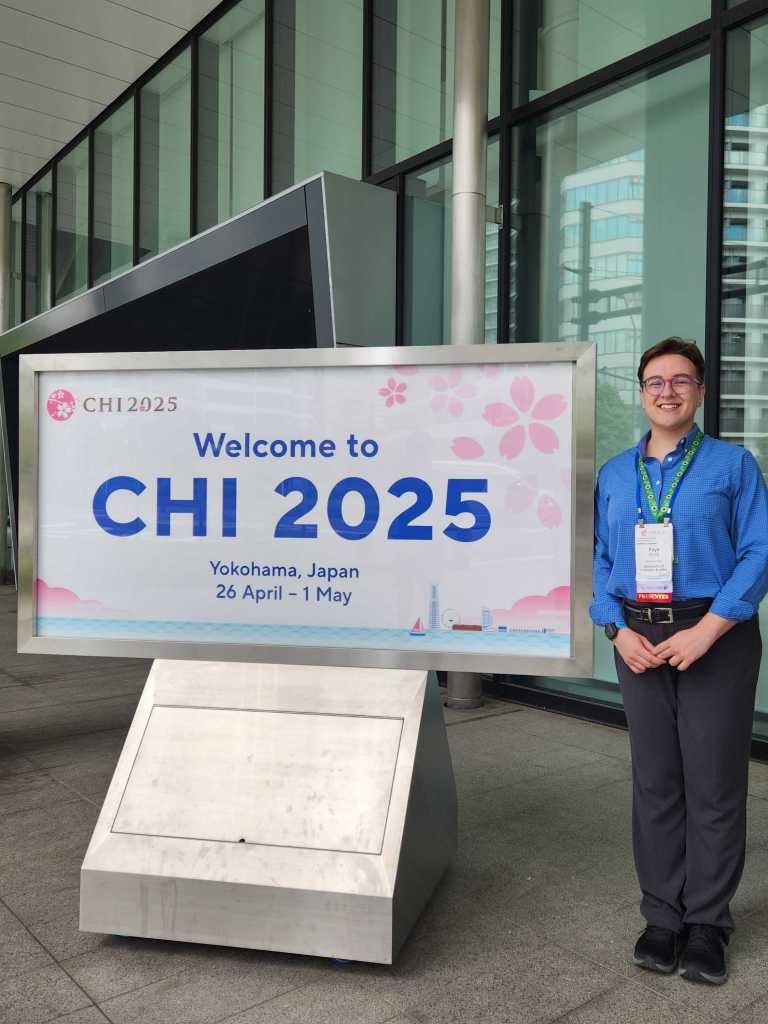
It is critical to find people like you in your field. While I’m not the only chronically ill or disabled academic I know (far from it, in fact), I still feel imposter syndrome about my particular combination of identities and circumstances. Disabled academics can be successful, but not me, because my disabilities are the “wrong ones.” At CHI in Yokohama, Japan, this year, I had the immense pleasure of meeting academics across career stages who share some of the intersections I assumed were mutually exclusive with the career I’m seeking in research. Seeing their exceptional work alongside their passion, kindness, and honesty was a huge reality check: who am I to say that I cannot create exceptional work while striving to be passionate, kind and honest? I am so grateful that these subcommunities exist, because just as there is no substitute for rest, there is no substitute for finding places you feel you belong.
To wrap up this little reflection, here are some important things that have happened during the third year of my PhD, since that last post:
- Wrote, submitted, revised, and presented a first-author paper at CHI in Japan
- Prepared for, took, and passed my preliminary exams!
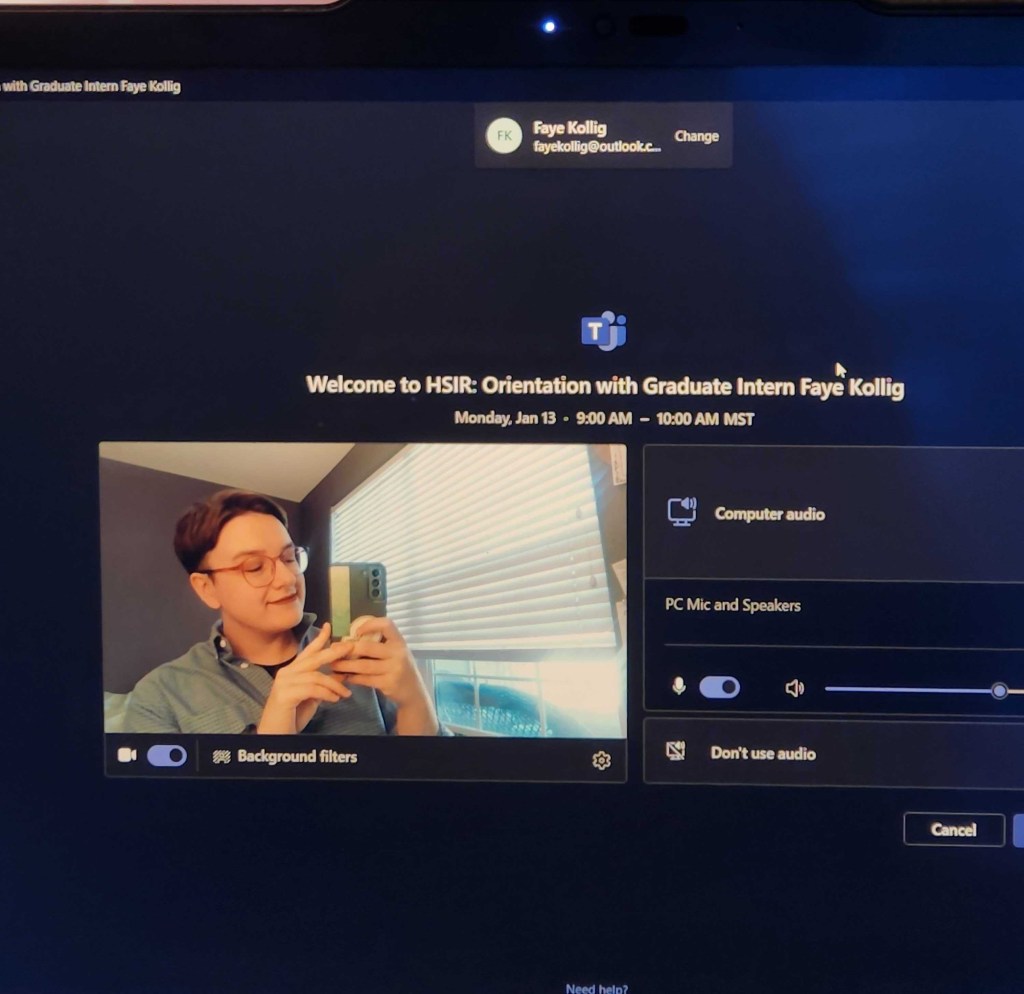
- Started a research internship outside of my university at the HSIR department at Parkview Health and co-wrote a paper
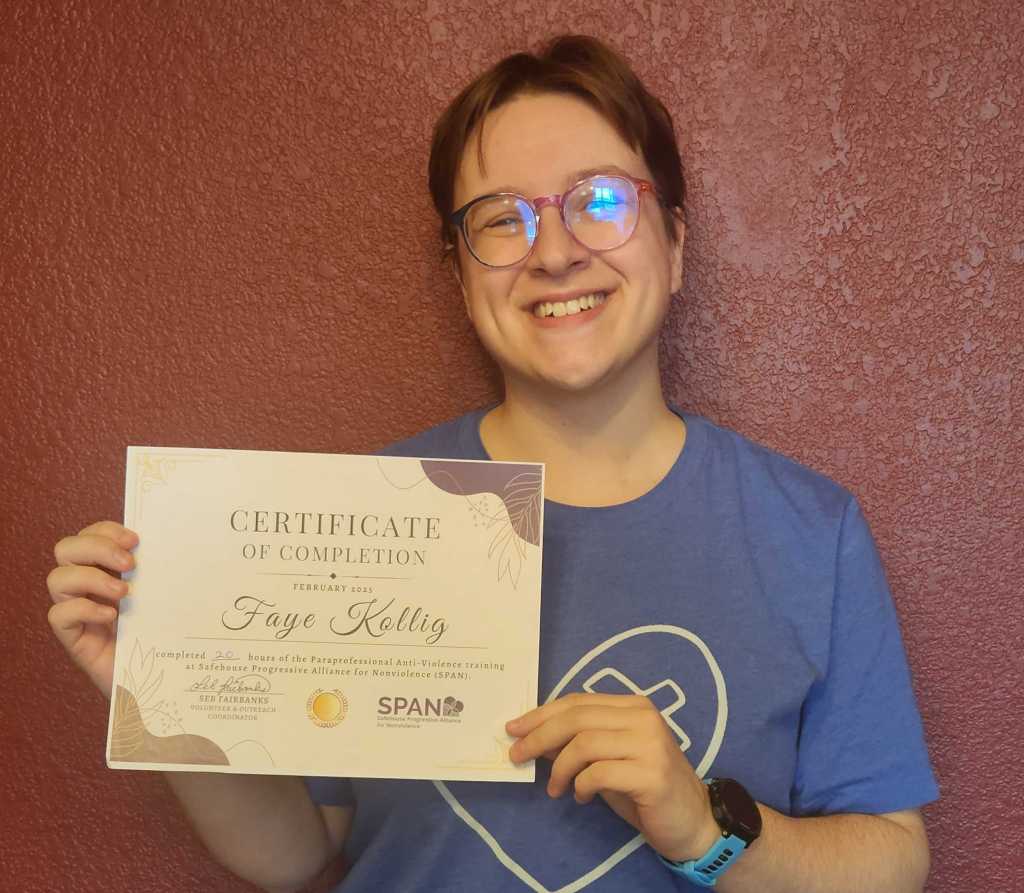
- Completed a 20 hour paraprofessional domestic violence training at Boulder’s Safehouse Progressive Alliance on Nonviolence
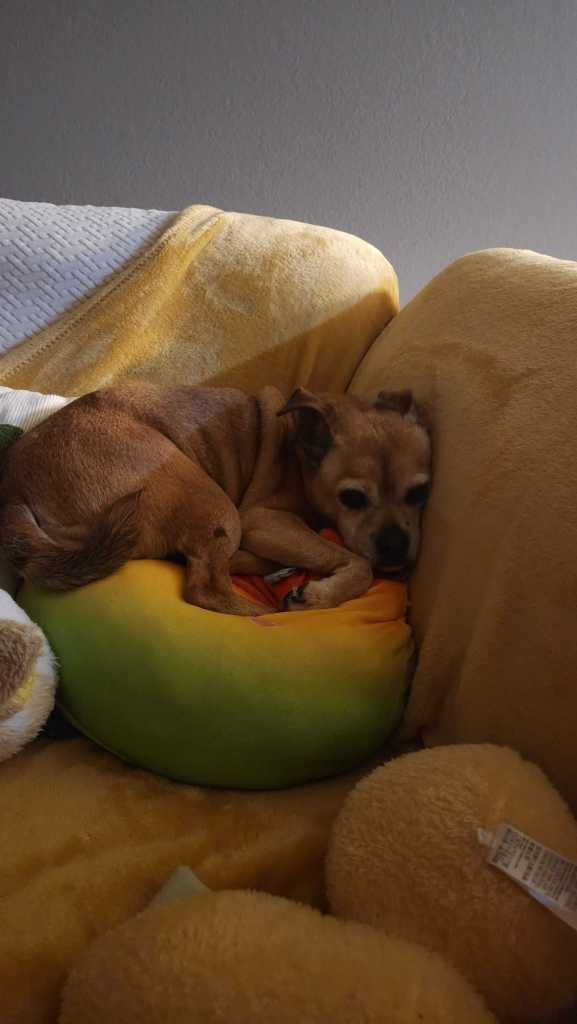
- Said goodbye to my family dog, Rhea, who lived a long, happy life and passed surrounded by love
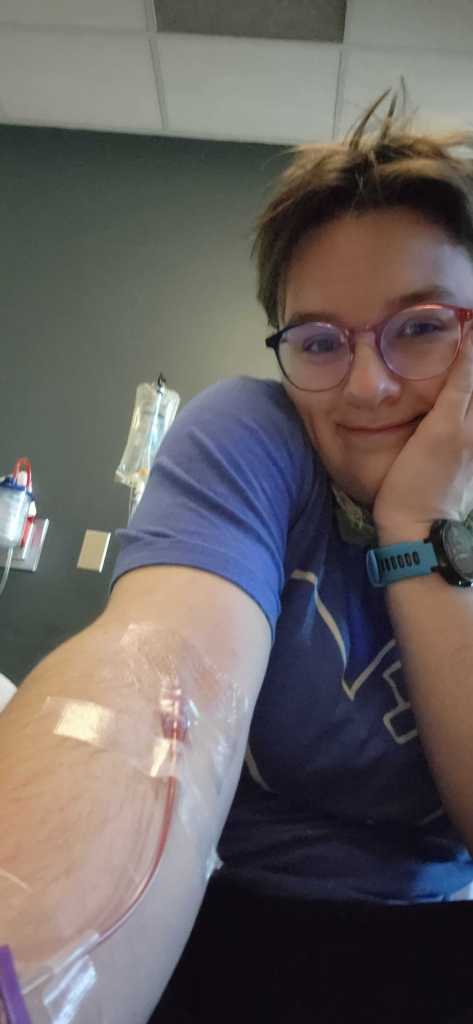
- Was diagnosed with a chaotic, unpredictable new health condition, which I’m still learning to manage
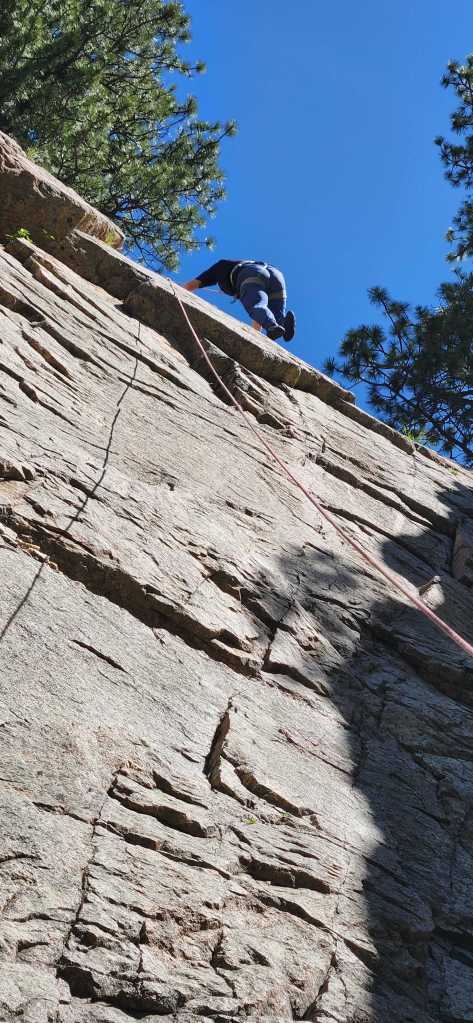
- Got better at rock climbing
- Somehow, turned 24!

 Faye Kollig
Leave a comment